Hiss, Rewind, Repeat: The Totally Unhinged Reason Gen Z Is Buying Cassette Tapes
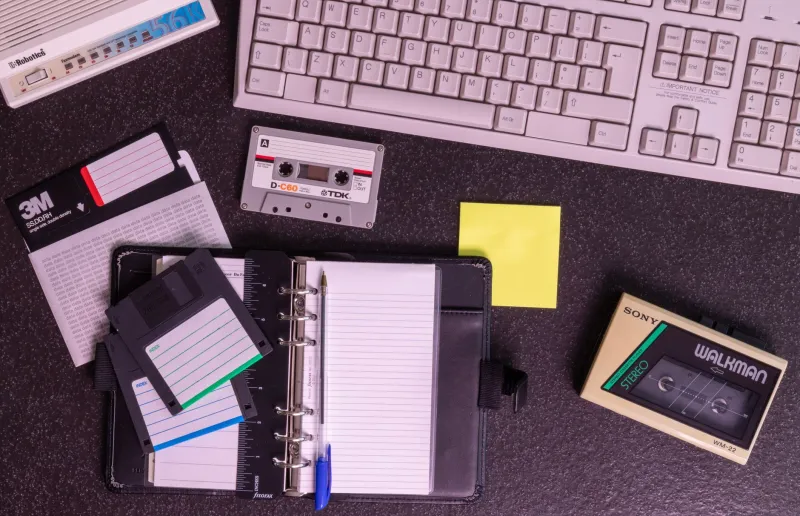
Cassette tapes were supposed to be dead. Buried. Eulogized somewhere around 2003 and quietly composted into music history. Someone forgot to tell the twenty-somethings lining up at record fairs to spend fifteen bucks on a plastic rectangle that plays music worse than literally any other format available to modern humans.
Welcome to the great tape revival. It makes absolutely perfect sense — once you stop thinking about it logically.
The Format That Refused to Die Quietly
Here's a number that will scramble your brain a little: cassette tape sales in the US have been climbing steadily for several years running. We're not talking vinyl-level numbers, but we're talking real, actual, physical cassettes being purchased by real, actual people in 2024. According to data from the Recording Industry Association of America, tens of millions of dollars in cassette revenue are now logged annually. For a format that peaked before most of its current buyers were born, that's genuinely wild.
So who's buying them? Walk through any indie record fair in cities like Austin, Portland, Chicago, or Brooklyn on a Saturday morning and you'll find your answer pretty fast. It's not nostalgic Gen Xers chasing their youth. It's younger listeners — people who grew up with Spotify in their pocket — squinting at handwritten tape labels and asking, "Does this play on a Walkman?" Yes. Yes it does. And they're buying one of those too.
The Ritual Is the Point
Ask anyone deep in the cassette rabbit hole why they bother, and the answers are weirdly consistent. It's not about audio quality — nobody serious is claiming tape sounds better than a lossless stream. It's about everything that happens around the listening.
You find the tape. Maybe at a thrift store for a dollar, maybe from a local band's merch table for twelve. You hold the thing. It has weight, texture, a little window where you can see the spools. You flip it over. You rewind it with a pencil if the player eats it. You sit down and commit to the album because skipping tracks isn't really a thing you do on tape — not without effort, anyway.
That friction? That's the feature, not the bug.
In a world where every song ever recorded is three taps away and algorithmic playlists do all the choosing for you, cassette tapes force a kind of intentional listening that streaming quietly abolished. You picked this tape. You're playing this tape. You're here for this tape.
The Hiss Is Part of the Aesthetic
There's also the sound itself to consider. Tape hiss — that gentle, warm static fuzz underneath the music — has gone from being a flaw to being a vibe. Producers like lo-fi beat makers have been intentionally layering tape saturation and hiss into digital tracks for years because it signals something: warmth, humanity, the slight imperfection of something made rather than rendered.
Cassettes deliver that authenticity automatically. The sound is slightly compressed, slightly soft around the edges, slightly alive in a way that a pristine digital file simply isn't. It's the audio equivalent of a photo taken on a disposable camera — technically inferior, emotionally superior.
Musicians are catching on. Independent artists across genres — bedroom pop, punk, hip-hop, ambient, metal — are releasing music on cassette in numbers that would have seemed absurd a decade ago. Labels like Burger Records (before their implosion) helped normalize the format for indie acts. Now it's everywhere: Bandcamp pages offering tape runs of 50 or 100 copies, hand-dubbed and hand-labeled, sold directly to fans who understand they're buying an artifact as much as they're buying music.
Collectors, DJs, and the Tape Evangelists
The collector community around cassettes has developed its own culture, taxonomies, and obsessions — because of course it has. There are people hunting for original '80s metal demos, people who only want sealed new-old-stock tapes from defunct record labels, and people building libraries of local bands' self-released stuff from the '90s that exists nowhere else on Earth.
DJs have gotten in on it too. Playing cassettes in a live set is a flex of a very specific kind — it signals craft, weirdness, and a willingness to embrace chaos. Tapes can warp, slow down, get eaten by the deck mid-set. That unpredictability is either a nightmare or a feature, depending entirely on your personality type. (Futz.me readers: you already know which camp you're in.)
Then there are the musicians who've never stopped recording to tape — not as a retro statement, but because the format genuinely shapes their creative process. Recording to a limited amount of tape with no undo button changes how you perform. Mistakes stay. Happy accidents stay. The performance breathes.
The Authenticity Economy
Zoom out a little and the cassette revival starts to look like one piece of a much larger cultural pattern. The same generation streaming everything they consume is also buying physical books, collecting vinyl, shooting on film cameras, and paying a premium for handmade goods. There's a through-line here: in a digital world that's infinitely reproducible and algorithmically optimized, scarcity and imperfection have become genuinely luxurious.
Cassettes are cheap, weird, fragile, and completely analog. They can't be pirated. They can't be recommended by an algorithm. They exist in one physical place at a time. In 2024, that's practically a radical act.
Is there irony involved? Absolutely. Half the people buying tapes are doing so with a wink, fully aware of the absurdity of choosing a worse-sounding format on purpose. But irony and sincerity coexist pretty comfortably in this space. The wink doesn't cancel out the genuine pleasure of dropping a tape in a player, pressing play, and hearing that soft mechanical click before the music starts.
Go Ahead, Futz With It
If you've never owned a cassette player and you're even slightly curious, here's the honest truth: the barrier to entry is hilariously low. Thrift stores are drowning in Walkmans and boom boxes for under ten dollars. Cassettes — new releases from indie artists and vintage finds alike — are everywhere online and at record fairs nationwide.
The worst case scenario is that you spend twenty bucks, listen to a tape, decide it's not for you, and donate the whole setup back to Goodwill for the next curious person to find. The best case scenario is that you discover a whole new way of relating to music you already love — slower, more deliberate, a little hissy, and completely yours.
Press play. See what happens.